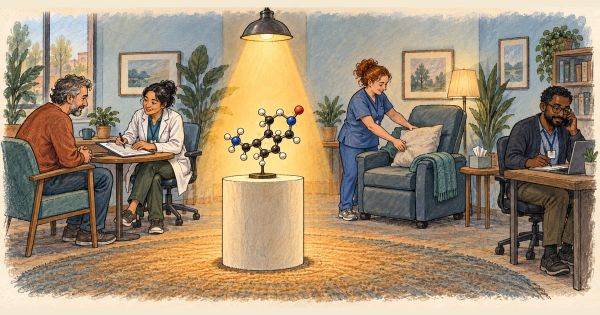
The Alkaloid #28: The Medicine Needs More Than a Molecule
The FDA is asking who delivers psychedelic care, how patients are protected, and who pays. The practical work extends well beyond the drug.
The FDA is asking who delivers psychedelic care, how patients are protected, and who pays. The practical work extends well beyond the drug.
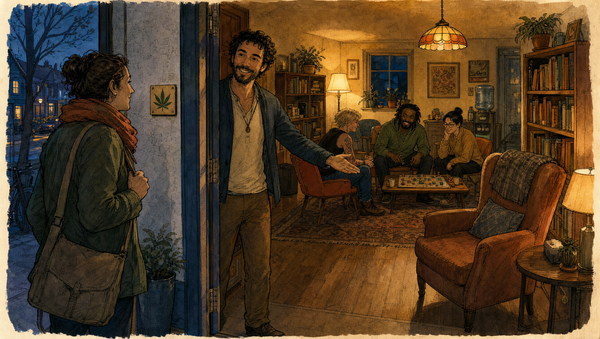
Cannabis-friendly social spaces need more than a place to consume. St. Louis offers a look at the work of hosting.
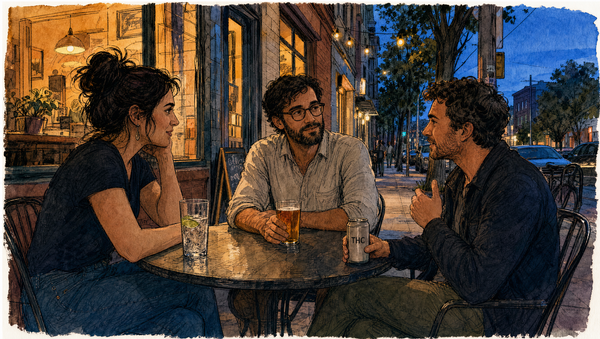
THC drinks borrow the rituals of a night out. Familiar packaging does not make the intoxicant familiar.
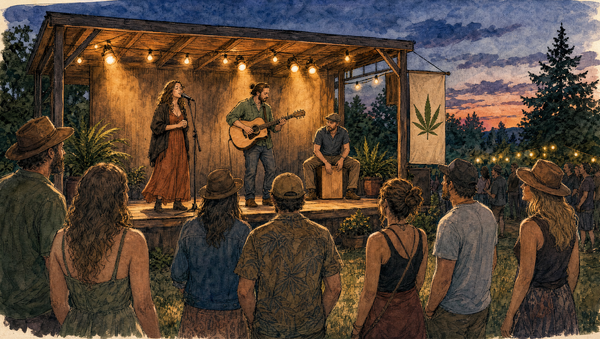
Cannabis gets an official place in the event program. What two upcoming events promise, and what a small music study can actually tell us.
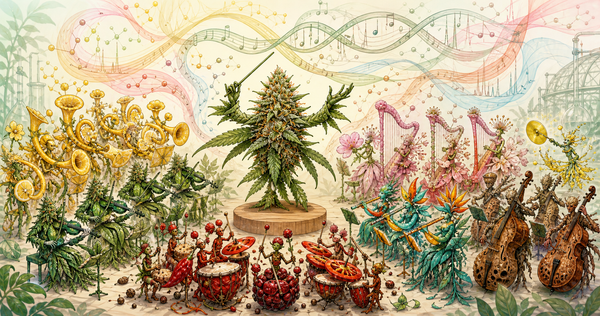
A new cannabis genetics paper cataloged 227 volatile terpenes across six cultivars. The fun part is what those compounds reveal about flower, genes, and why your nose keeps finding more than a THC label can say.
Everyone reported that the federal hemp ban slipped to December 11. It hasn't passed the House, and the delay is narrower than the coverage suggests: it turns on whether a molecule is capable of being naturally produced, not on how it was actually made. What that sorts, and what it strands.
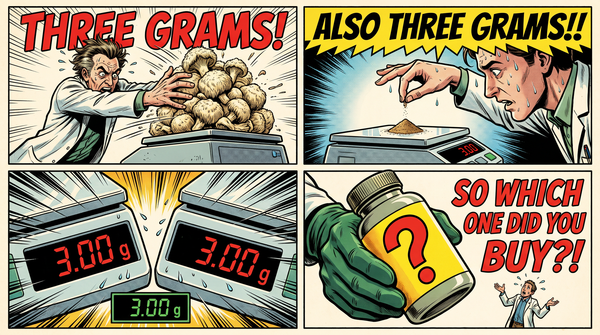
Two clinical trials of lion's mane both gave subjects three grams a day. One of them used ten times more mushroom than the other. Seventeen years of research, seven small trials, and still no agreement on what a dose is. Plus Curaleaf goes hostile on Aurora, and Yale prices federal legalization.
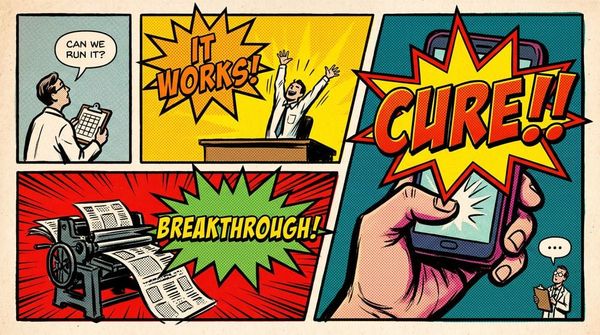
PsiDeR was built to answer whether the NHS could run a psilocybin trial at all. It could. The 12.92-point depression result everyone reported is a secondary outcome, and the researchers said so plainly. Their press office left that part out. Plus: the Senate blinks on hemp.
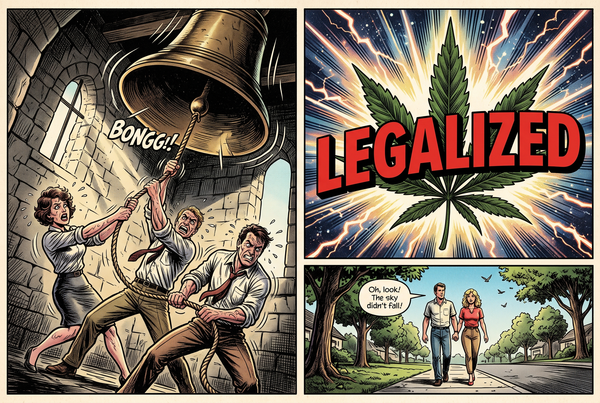
Past-month cannabis use among Minnesota teens fell from 13% to 5% across twelve years of steadily looser law, and the predicted spike never came. The decline also never reached Native, LGBTQ+ or low-income students, who were three times more likely to use in 2013 and still are today.
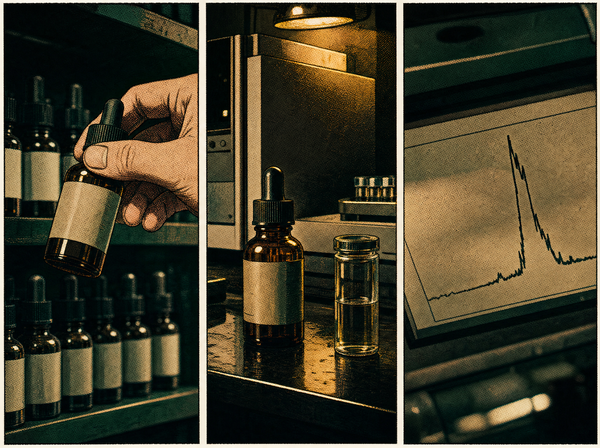
Researchers pooled 28 studies covering 937 CBD products and found just 31.3 percent contained what the label claimed. Topicals came in at 13.8 percent. Plus undisclosed THC, synthetic cannabinoids, heavy metals, and why the number on the box can be wrong in four different ways.
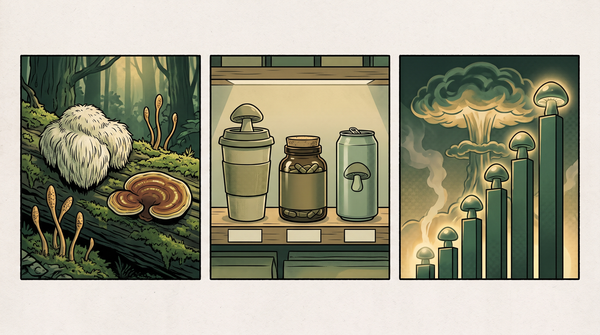
While psychedelic mushrooms fight for legal status, their boring cousins quietly became a near-$85 billion wellness industry. What the science on lion's mane and reishi actually shows — and where the marketing gets ahead of it.
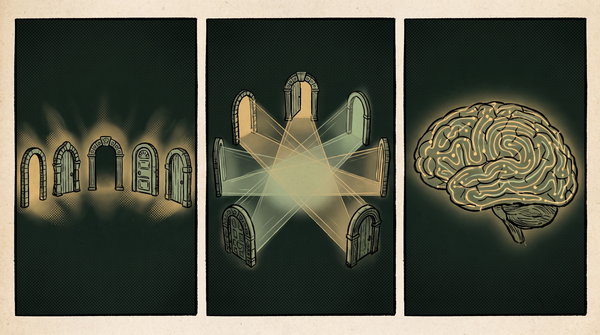
Psilocybin, LSD, DMT, mescaline, ayahuasca — five different molecules. A Nature Medicine mega-analysis of 267 people and 500+ brain scans found they all leave the same fingerprint: they don't quiet the brain, they connect it.
newsletter
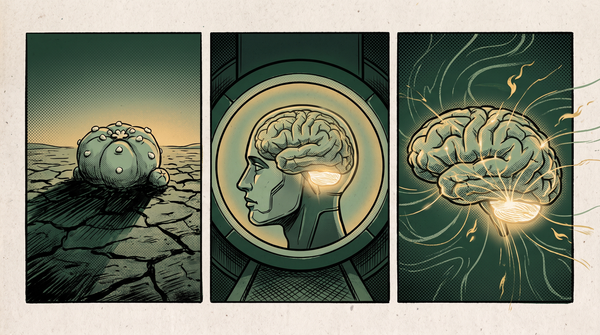
Humans have used peyote for 5,700 years, yet mescaline is the psychedelic neuroscience knows least. A new Northeastern brain scan shows the oldest trip has a signature all its own — and Big Pharma just bet up to $3.8B on its molecular cousins.
newsletter
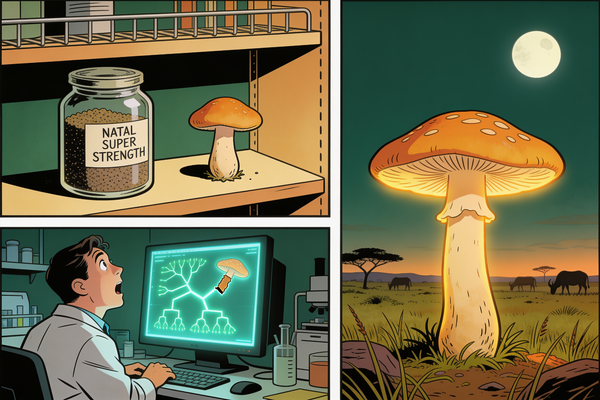
For years, home growers prized a potent magic mushroom called Natal Super Strength. Nobody had ever named it. New DNA work shows it is a separate species, and its family tree pushes the origins of the world's favorite psychedelic mushroom back more than a million years.
newsletter
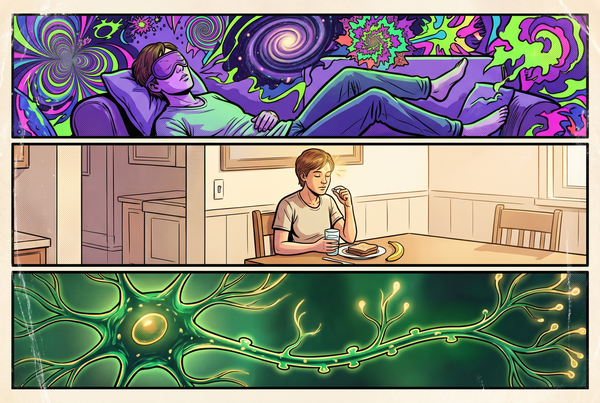
What if the trip was never the point? A new class of compounds promises the brain-rewiring of psychedelics without the hallucination, and the first non-tripping antidepressant is heading for trials you can run from your own couch.
newsletter
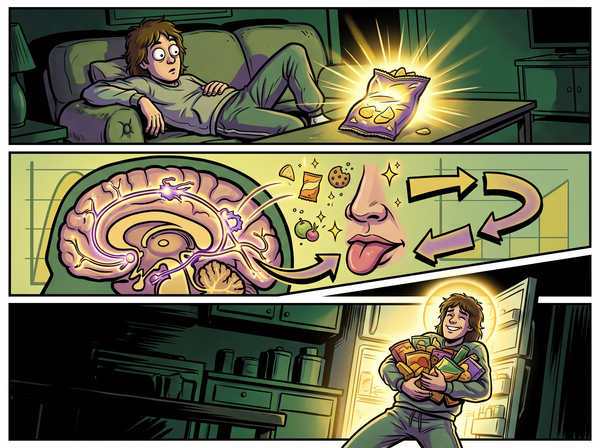
Scientists finally caught the munchies in the act. A new study shows cannabis turns up the brain's reward for food, spikes the hunger hormone, and sharpens taste. The same circuit could feed people who can't eat.
newsletter
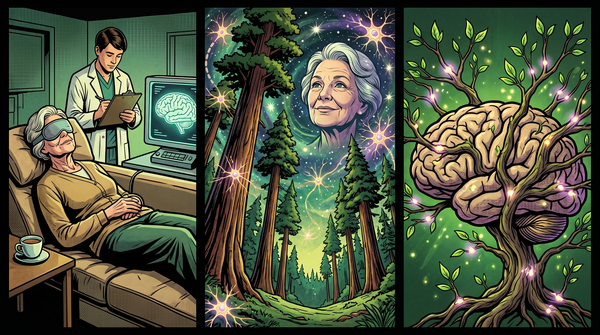
Psychedelic science spent sixty years studying the young. A new UC Berkeley study finally hands the eye mask to people between 60 and 85 — and asks whether an old brain can still change its mind.
Field Notes
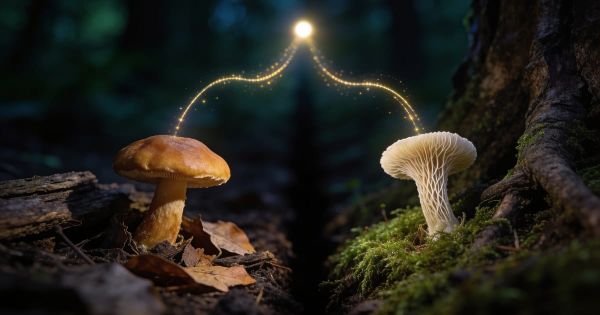
Psilocybin makes a magic mushroom magic. A new study shows two unrelated mushroom groups evolved it separately, by completely different chemical routes that meet only near the finish. Which raises the question decades of human fascination still can't answer: what is psilocybin actually for?
newsletter
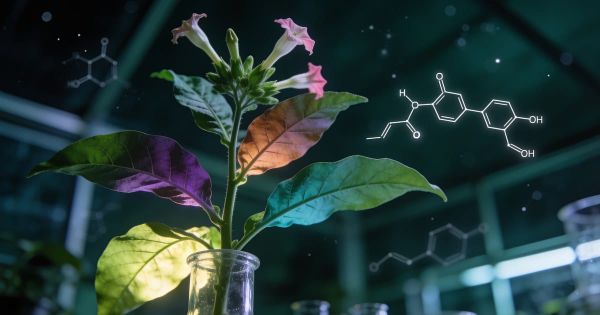
A lab in Israel engineered one tobacco plant to make psilocybin, DMT, bufotenin, 5-MeO-DMT, and psilocin at once. The molecules just left the mushroom and the toad behind. What that means for cost, supply, and a drug law written when the drug and its source were the same thing.
Field Notes
Jaguars roll in the ayahuasca vine. Reindeer hunt psychedelic mushrooms in the snow. Wallabies leave crop circles in Tasmania's poppy fields. The urge to get high isn't uniquely human — one researcher called it a fourth drive, as deep as hunger and thirst.
newsletter
Last fall Congress redefined hemp and capped legal products at 0.4 milligrams of THC. The rule erases an estimated 95 percent of the market by November. Now the same White House that signed it is asking Congress to carve out an exception before the deadline it created.
newsletter
The FDA lost its commissioner in May. Four weeks from now, the agency is supposed to help decide whether all marijuana moves to Schedule III. The most powerful job in American drug policy is being done by a caretaker, and almost nobody is talking about it.
Field Notes
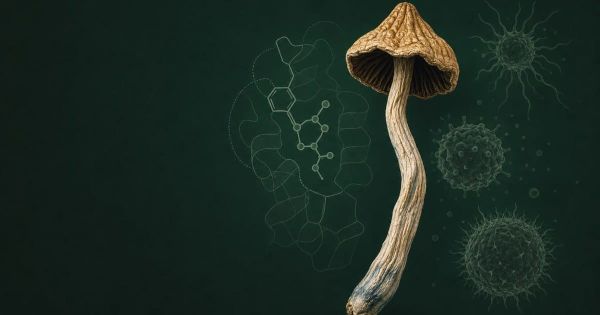
People are searching for "microdose therapy for chronic inflammation" and finding wellness sites that promise more than the science can back. Psychedelics show real anti-inflammatory promise in the lab. Whether a microdose delivers it in a human body is a different, much shakier question.
Field Notes
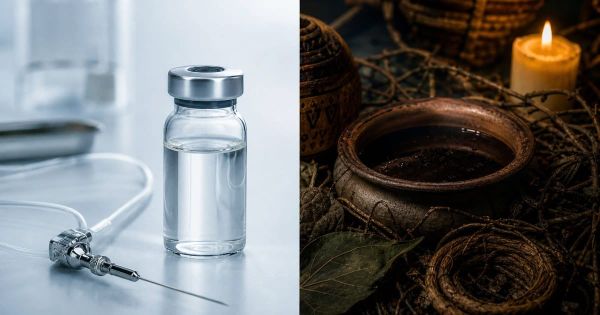
A London lab gave 34 depressed people a single IV dose of DMT, the compound in ayahuasca, and saw depression scores fall for up to six months. No ceremony, no all-night vigil, no nausea. Just the molecule. Which raises a question the trial can't answer: how much was ever the chemical alone?