The Alkaloid #29: The Right to Have It. Nowhere Legal to Buy It.
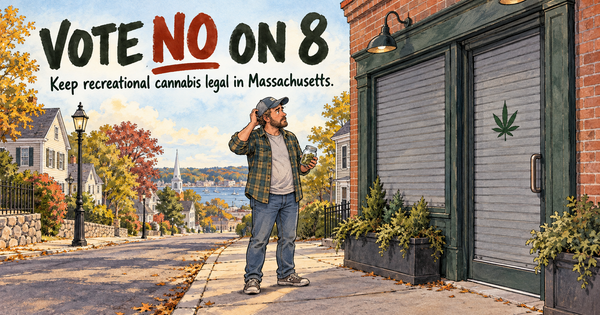
Massachusetts could preserve an adult's right to possess cannabis while closing recreational shops and ending home grows. Who benefits—and what would police be asked to do again?
Massachusetts could preserve an adult's right to possess cannabis while closing recreational shops and ending home grows. Who benefits—and what would police be asked to do again?
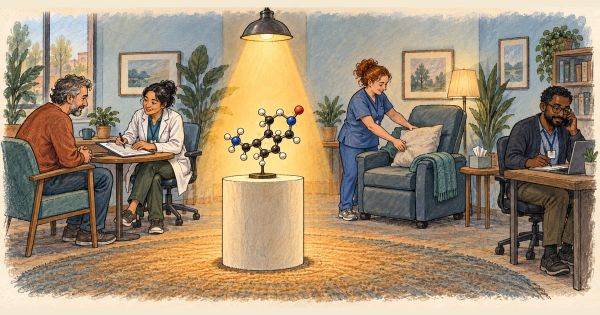
The FDA is asking who delivers psychedelic care, how patients are protected, and who pays. The practical work extends well beyond the drug.
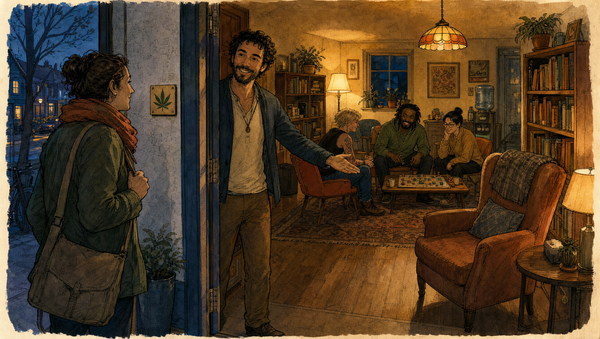
Cannabis-friendly social spaces need more than a place to consume. St. Louis offers a look at the work of hosting.
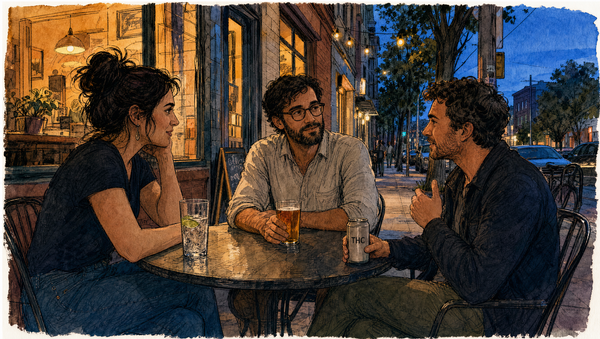
THC drinks borrow the rituals of a night out. Familiar packaging does not make the intoxicant familiar.
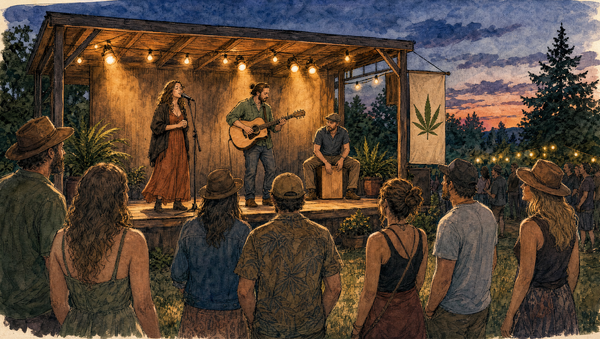
Cannabis gets an official place in the event program. What two upcoming events promise, and what a small music study can actually tell us.
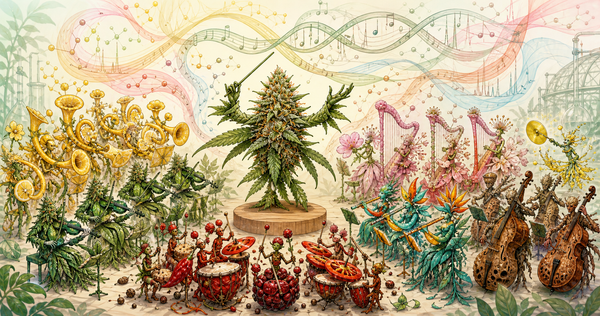
A new cannabis genetics paper cataloged 227 volatile terpenes across six cultivars. The fun part is what those compounds reveal about flower, genes, and why your nose keeps finding more than a THC label can say.
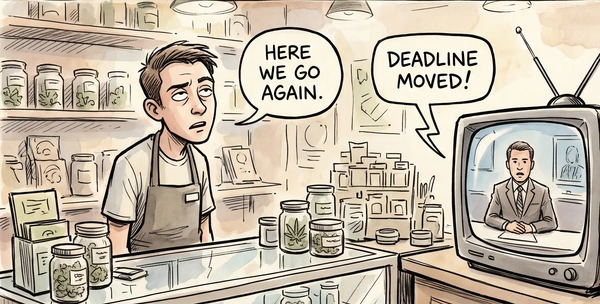
Everyone reported that the federal hemp ban slipped to December 11. It hasn't passed the House, and the delay is narrower than the coverage suggests: it turns on whether a molecule is capable of being naturally produced, not on how it was actually made. What that sorts, and what it strands.
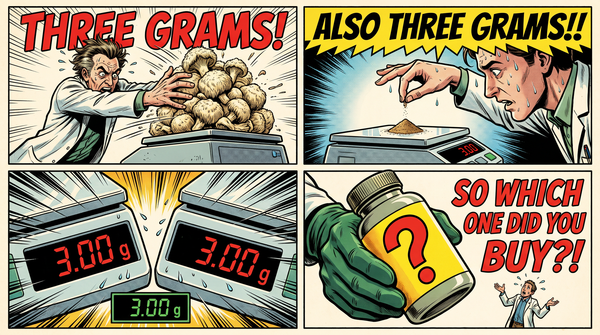
Two clinical trials of lion's mane both gave subjects three grams a day. One of them used ten times more mushroom than the other. Seventeen years of research, seven small trials, and still no agreement on what a dose is. Plus Curaleaf goes hostile on Aurora, and Yale prices federal legalization.
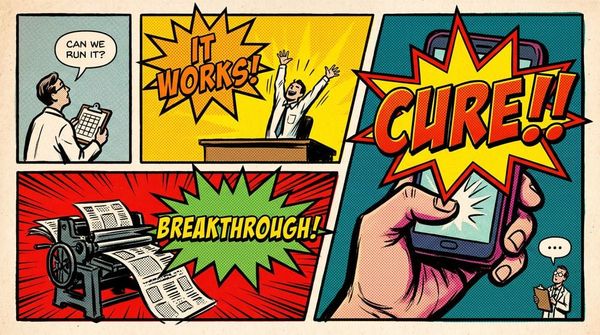
PsiDeR was built to answer whether the NHS could run a psilocybin trial at all. It could. The 12.92-point depression result everyone reported is a secondary outcome, and the researchers said so plainly. Their press office left that part out. Plus: the Senate blinks on hemp.
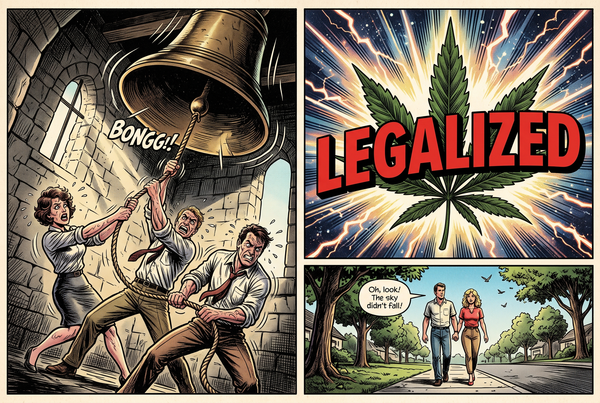
Past-month cannabis use among Minnesota teens fell from 13% to 5% across twelve years of steadily looser law, and the predicted spike never came. The decline also never reached Native, LGBTQ+ or low-income students, who were three times more likely to use in 2013 and still are today.
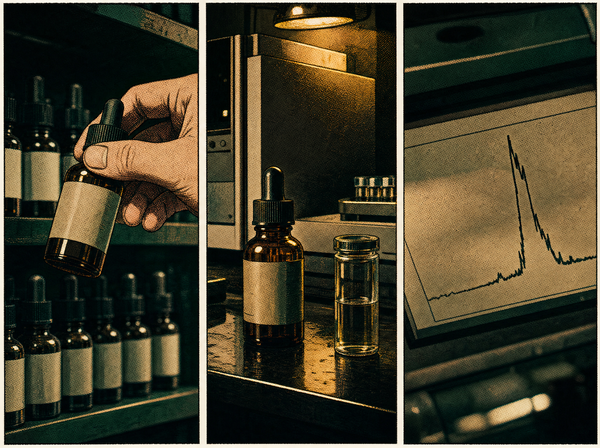
Researchers pooled 28 studies covering 937 CBD products and found just 31.3 percent contained what the label claimed. Topicals came in at 13.8 percent. Plus undisclosed THC, synthetic cannabinoids, heavy metals, and why the number on the box can be wrong in four different ways.
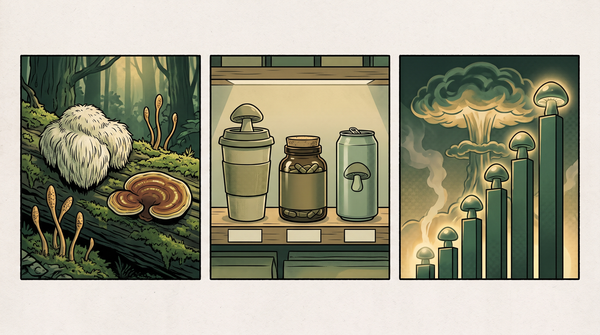
While psychedelic mushrooms fight for legal status, their boring cousins quietly became a near-$85 billion wellness industry. What the science on lion's mane and reishi actually shows — and where the marketing gets ahead of it.