newsletter
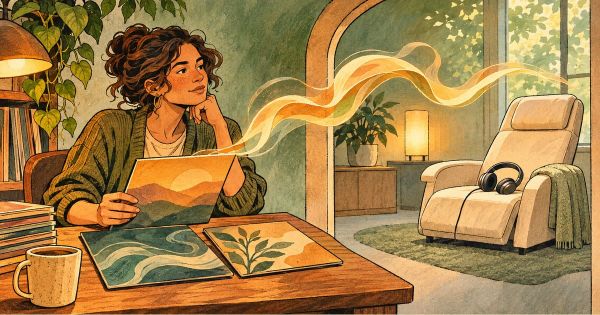
The Alkaloid #36: Who DJs the Trip?
Who chooses the soundtrack for psychedelic therapy? An analysis of eight playlists finds only weak evidence for a shared musical arc, without testing whether the music helps patients.

Medical applications of cannabis, psychedelics, and plant medicine.
newsletter
Who chooses the soundtrack for psychedelic therapy? An analysis of eight playlists finds only weak evidence for a shared musical arc, without testing whether the music helps patients.
Field Notes
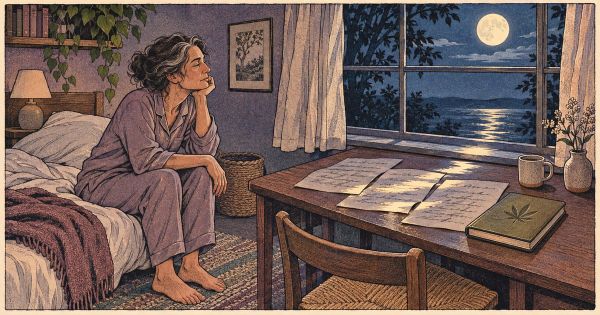
Nine studies, 537 adults, and a very uncertain answer. A Cochrane review on cannabis for insomnia shows why feeling sleepy and treating insomnia need separate evidence.
newsletter
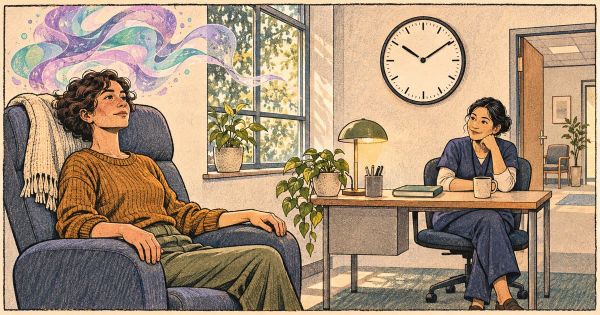
A mebufotenin trial found an antidepressant signal and early discharge readiness. Its protocol still required four hours at the clinic. Those are different findings.

Field Notes
Four former psychedelic-trial participants describe life after the final visit. Their accounts raise questions about aftercare, with company involvement disclosed.
newsletter
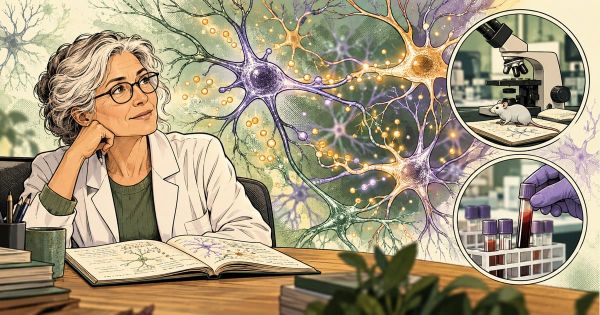
What an ageing-brain review, a mouse experiment and human blood samples can tell us about cannabinoid signalling—and what they cannot establish.
newsletter
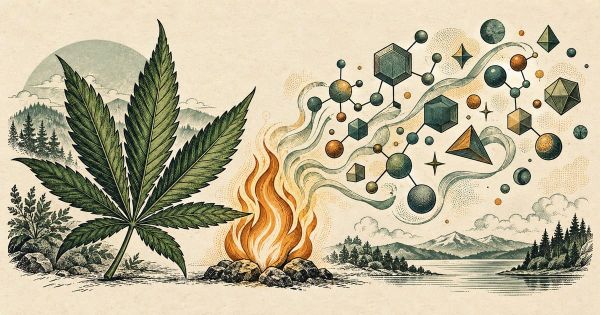
Heating THC produced 79 small-molecule breakdown products in a new lab study. What the experiment shows, what it cannot tell us, and why better testing should serve people who use cannabis.
Field Notes
A new US survey records health changes people attribute to five psychoactive drugs. Its small subgroups and different recall windows matter as much as the headlines.
newsletter
Kratom leaf and concentrated 7-OH can share a name on the shelf without sharing a chemical profile. The distinction matters for safety, research and regulation.
newsletter
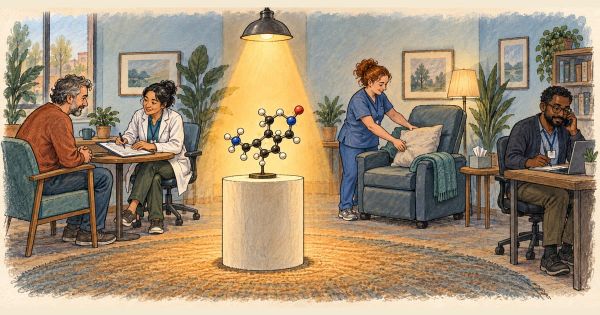
The FDA is asking who delivers psychedelic care, how patients are protected, and who pays. The practical work extends well beyond the drug.
newsletter
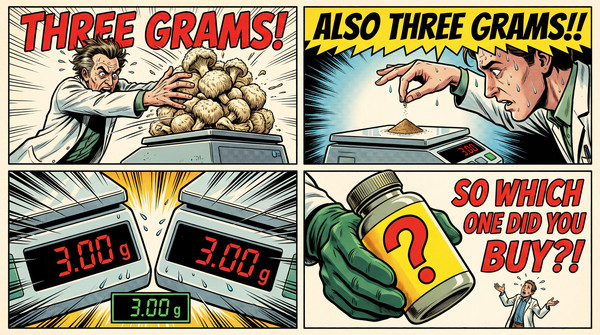
Two clinical trials of lion's mane both gave subjects three grams a day. One of them used ten times more mushroom than the other. Seventeen years of research, seven small trials, and still no agreement on what a dose is. Plus Curaleaf goes hostile on Aurora, and Yale prices federal legalization.
newsletter
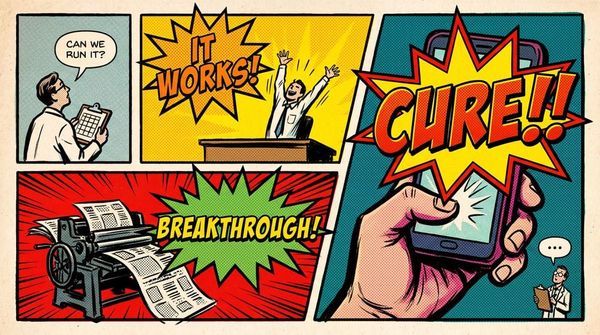
PsiDeR was built to answer whether the NHS could run a psilocybin trial at all. It could. The 12.92-point depression result everyone reported is a secondary outcome, and the researchers said so plainly. Their press office left that part out. Plus: the Senate blinks on hemp.
newsletter
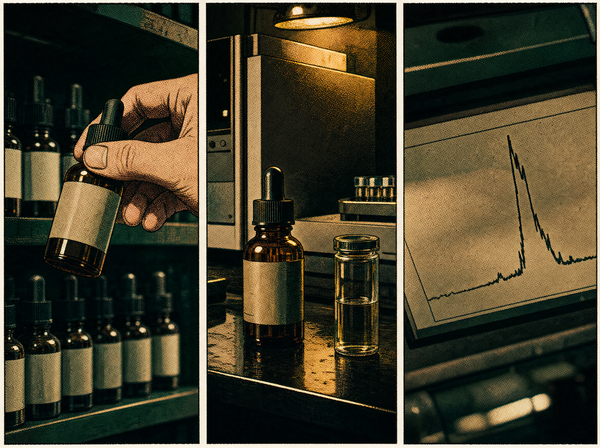
Researchers pooled 28 studies covering 937 CBD products and found just 31.3 percent contained what the label claimed. Topicals came in at 13.8 percent. Plus undisclosed THC, synthetic cannabinoids, heavy metals, and why the number on the box can be wrong in four different ways.