Field Notes
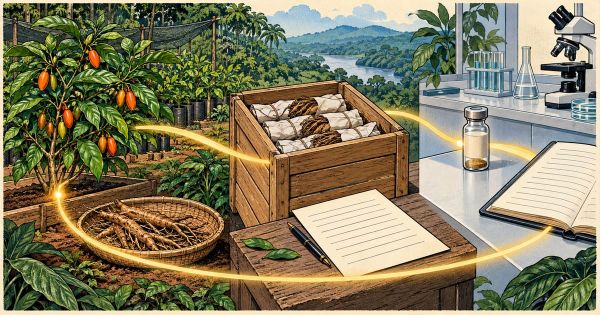
Field Notes #11: Who Gets Paid for the Root?
Gabon wants a share of the ibogaine boom. New reporting exposes the distance between paying for bark and sharing the value created afterward.

Indigenous plant medicine traditions and the compounds they introduced to modern science.
Field Notes
Gabon wants a share of the ibogaine boom. New reporting exposes the distance between paying for bark and sharing the value created afterward.
newsletter
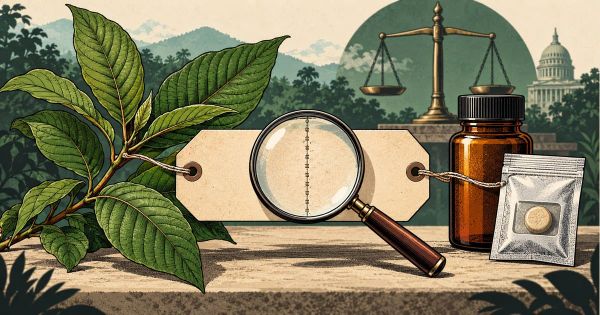
Kratom leaf and concentrated 7-OH can share a name on the shelf without sharing a chemical profile. The distinction matters for safety, research and regulation.
newsletter
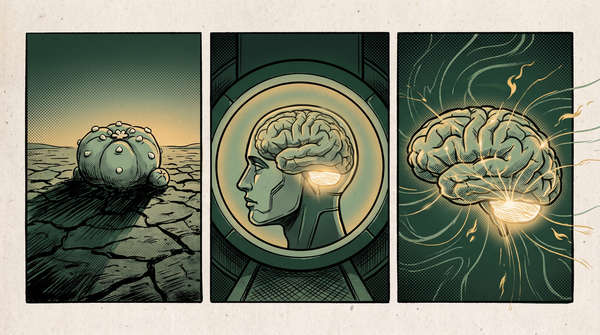
Humans have used peyote for 5,700 years, yet mescaline is the psychedelic neuroscience knows least. A new Northeastern brain scan shows the oldest trip has a signature all its own — and Big Pharma just bet up to $3.8B on its molecular cousins.
newsletter
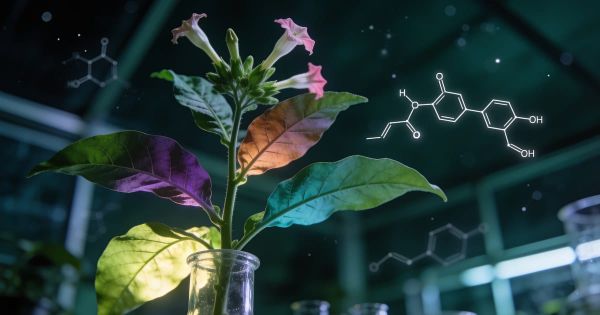
A lab in Israel engineered one tobacco plant to make psilocybin, DMT, bufotenin, 5-MeO-DMT, and psilocin at once. The molecules just left the mushroom and the toad behind. What that means for cost, supply, and a drug law written when the drug and its source were the same thing.
Field Notes
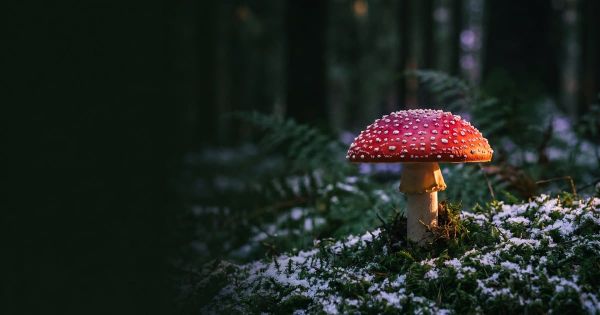
Jaguars roll in the ayahuasca vine. Reindeer hunt psychedelic mushrooms in the snow. Wallabies leave crop circles in Tasmania's poppy fields. The urge to get high isn't uniquely human — one researcher called it a fourth drive, as deep as hunger and thirst.

Field Notes
A London lab gave 34 depressed people a single IV dose of DMT, the compound in ayahuasca, and saw depression scores fall for up to six months. No ceremony, no all-night vigil, no nausea. Just the molecule. Which raises a question the trial can't answer: how much was ever the chemical alone?

Plant Medicine
A Shoshone and Paiute student named Destany Pete tested her tribe's traditional chokecherry pudding against uterine sarcoma cancer cells — and only the traditional preparation worked. The science is preliminary. The story is worth understanding.
newsletter
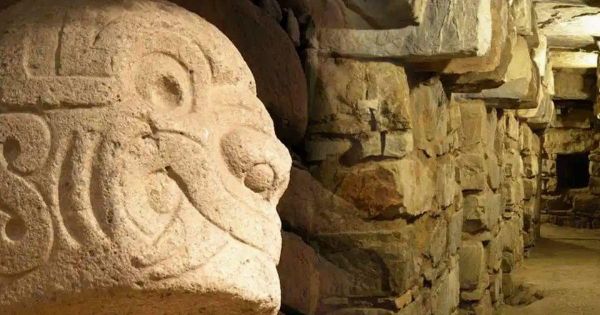
In a high mountain valley at 10,000 feet, archaeologists found 23 snuff tubes carrying residue of vilca, a DMT-bearing plant, used 2,800 years ago in hidden chambers at Chavín de Huántar. The findings complicate every popular framing of psychedelics as inherently liberatory.