Field Notes
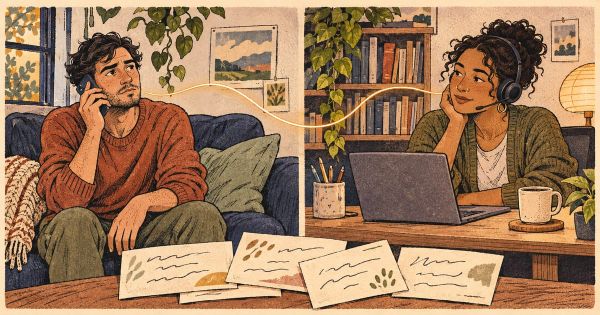
Field Notes #15: What a Support Line Can Tell Us
A new database describes 25,419 Fireside peer-support interactions. It offers a view of help-seeking, not a league table of drug risk or proof that support works.

Reporting on cannabis policy, science, business, and culture from The Alkaloid.
Field Notes
A new database describes 25,419 Fireside peer-support interactions. It offers a view of help-seeking, not a league table of drug risk or proof that support works.
Field Notes
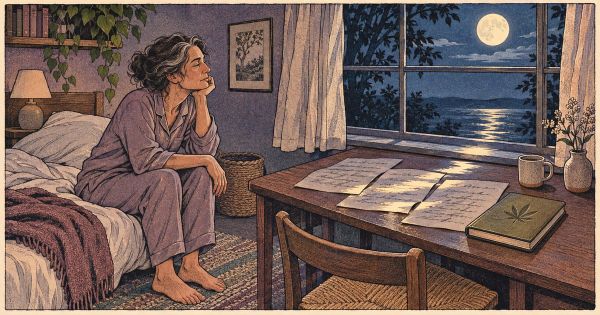
Nine studies, 537 adults, and a very uncertain answer. A Cochrane review on cannabis for insomnia shows why feeling sleepy and treating insomnia need separate evidence.
newsletter
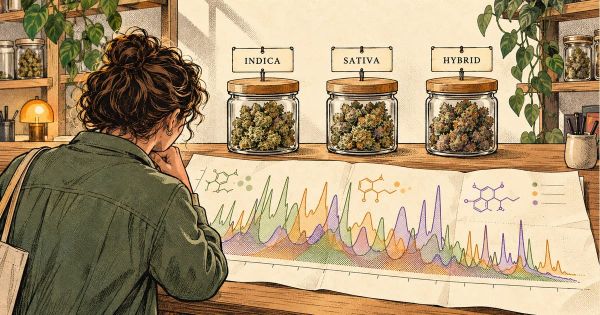
Indica, sativa, hybrid: familiar labels, unreliable predictions. What cannabis chemistry research can tell us—and what it cannot.
newsletter
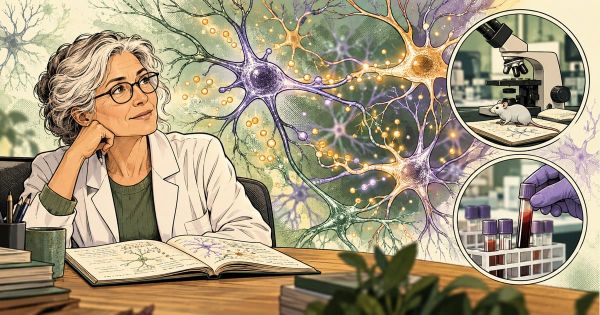
What an ageing-brain review, a mouse experiment and human blood samples can tell us about cannabinoid signalling—and what they cannot establish.
newsletter
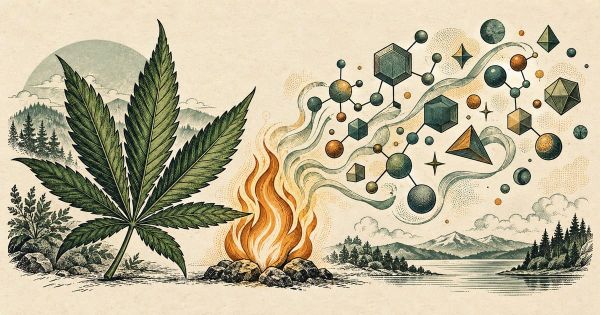
Heating THC produced 79 small-molecule breakdown products in a new lab study. What the experiment shows, what it cannot tell us, and why better testing should serve people who use cannabis.
newsletter
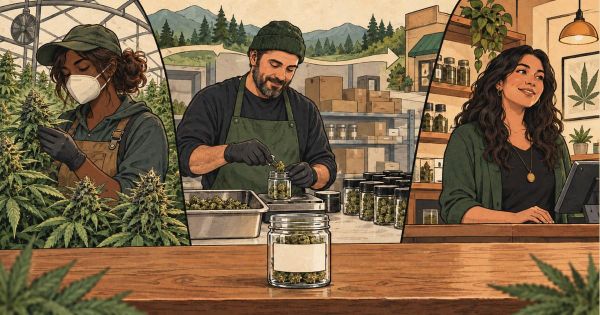
Before a cannabis jar reaches the counter, someone grows, harvests and cures it. Massachusetts' repeal debate is also about those paychecks, the businesses behind them and the limits of promises about what comes next.
newsletter
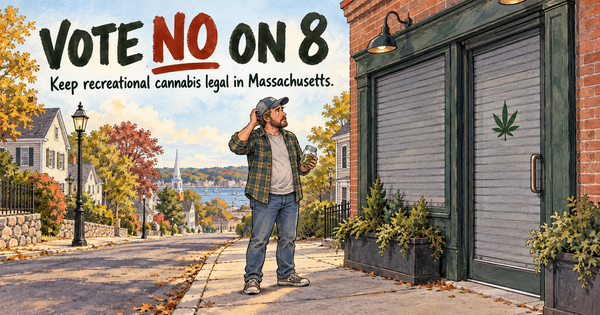
Massachusetts could preserve an adult's right to possess cannabis while closing recreational shops and ending home grows. Who benefits—and what would police be asked to do again?
Field Notes
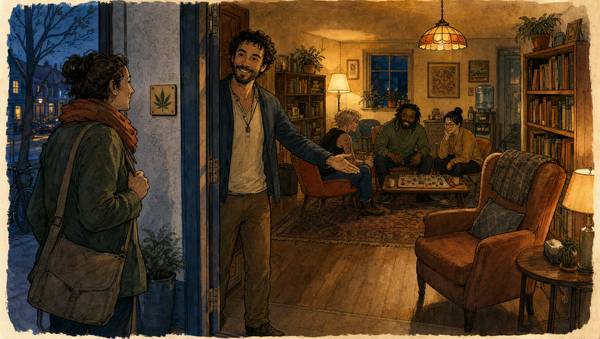
Cannabis-friendly social spaces need more than a place to consume. St. Louis offers a look at the work of hosting.
Field Notes
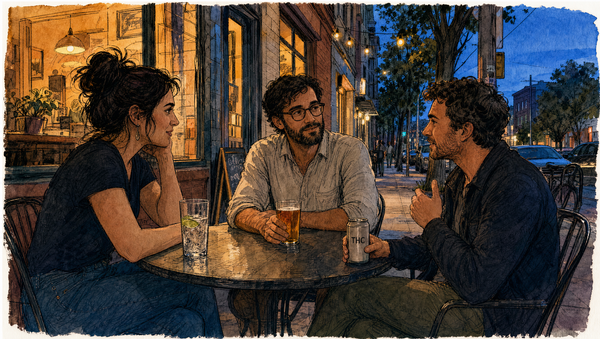
THC drinks borrow the rituals of a night out. Familiar packaging does not make the intoxicant familiar.
newsletter
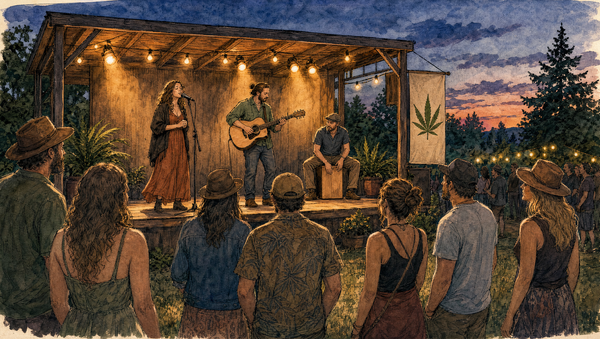
Cannabis gets an official place in the event program. What two upcoming events promise, and what a small music study can actually tell us.
newsletter
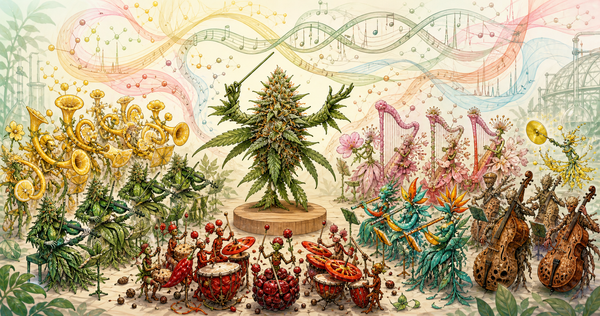
A new cannabis genetics paper cataloged 227 volatile terpenes across six cultivars. The fun part is what those compounds reveal about flower, genes, and why your nose keeps finding more than a THC label can say.
newsletter
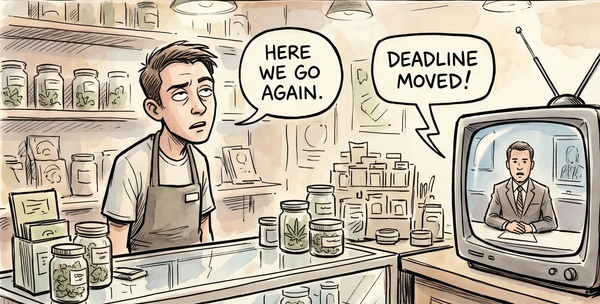
Everyone reported that the federal hemp ban slipped to December 11. It hasn't passed the House, and the delay is narrower than the coverage suggests: it turns on whether a molecule is capable of being naturally produced, not on how it was actually made. What that sorts, and what it strands.