newsletter
The Alkaloid #37: The Mushroom Wasn’t Thinking About Us
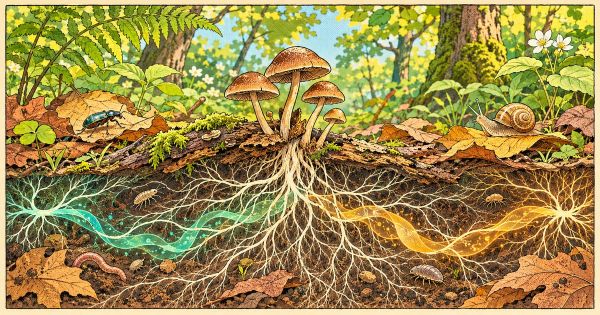
A mushroom that makes both psilocybin and amatoxins raises an evolutionary question: what is this chemistry doing for the fungus?

Psilocybin mushroom coverage from The Alkaloid — science, history, and use.
newsletter
A mushroom that makes both psilocybin and amatoxins raises an evolutionary question: what is this chemistry doing for the fungus?
newsletter
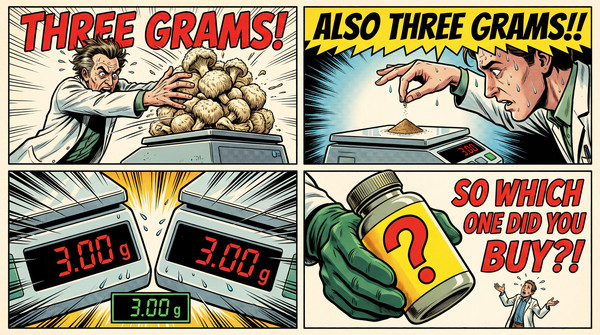
Two clinical trials of lion's mane both gave subjects three grams a day. One of them used ten times more mushroom than the other. Seventeen years of research, seven small trials, and still no agreement on what a dose is. Plus Curaleaf goes hostile on Aurora, and Yale prices federal legalization.
Field Notes
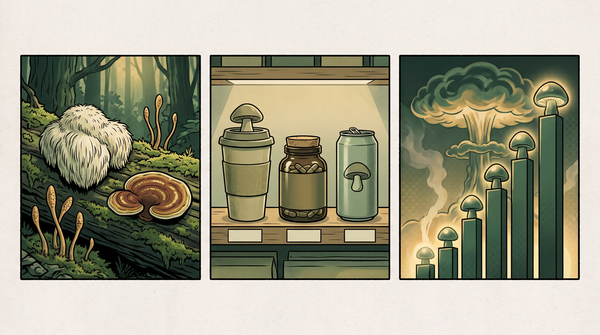
While psychedelic mushrooms fight for legal status, their boring cousins quietly became a near-$85 billion wellness industry. What the science on lion's mane and reishi actually shows — and where the marketing gets ahead of it.
newsletter
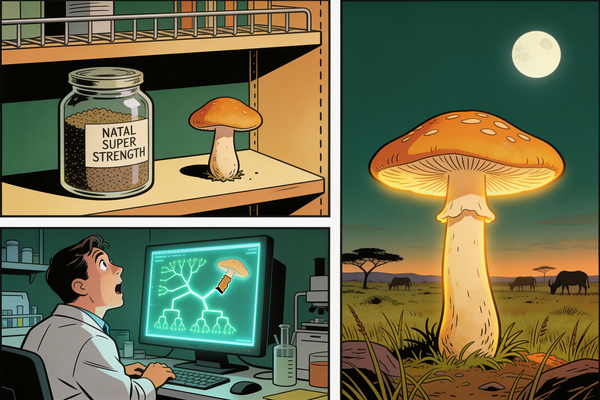
For years, home growers prized a potent magic mushroom called Natal Super Strength. Nobody had ever named it. New DNA work shows it is a separate species, and its family tree pushes the origins of the world's favorite psychedelic mushroom back more than a million years.
Field Notes
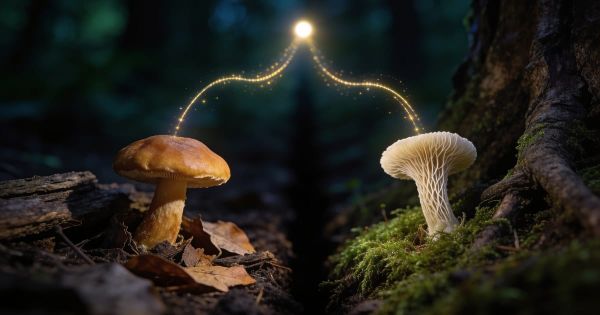
Psilocybin makes a magic mushroom magic. A new study shows two unrelated mushroom groups evolved it separately, by completely different chemical routes that meet only near the finish. Which raises the question decades of human fascination still can't answer: what is psilocybin actually for?

newsletter
Eleven million American adults used psilocybin in the past year — more than the populations of Pennsylvania or Illinois. Past-year use among adults 30 and over rose 188% in four years. It happened almost entirely without legal frameworks or medical infrastructure catching up.